


Wall murals transform ordinary spaces into extraordinary environments, yet without proper planning, your dream design can quickly become a costly disappointment. A comprehensive wall mural planning process is the difference between a stunning visual statement and a regrettable eyesore.
Whether you’re enhancing a corporate headquarters, retail space, or residential room, a structured approach ensures your mural achieves both aesthetic and functional goals. This wall mural project planning guide walks you through each critical decision point, helping you create a memorable installation that stands the test of time.
Contents
Why Planning for Your Wall Mural Project Matters
Planning for your wall mural ahead of time establishes a roadmap to transform blank surfaces into stunning visual statements. This structured approach helps you avoid costly mistakes and ensures your vision translates effectively to the final installation.
For commercial spaces, a well-planned mural can reinforce brand identity and create memorable customer experiences. In residential settings, it adds personality and artistic flair to living environments. In schools, murals can provide wayfinding details and create more inspiring learning environments.

Defining Project Goals
1. Vision and Aesthetic Objectives
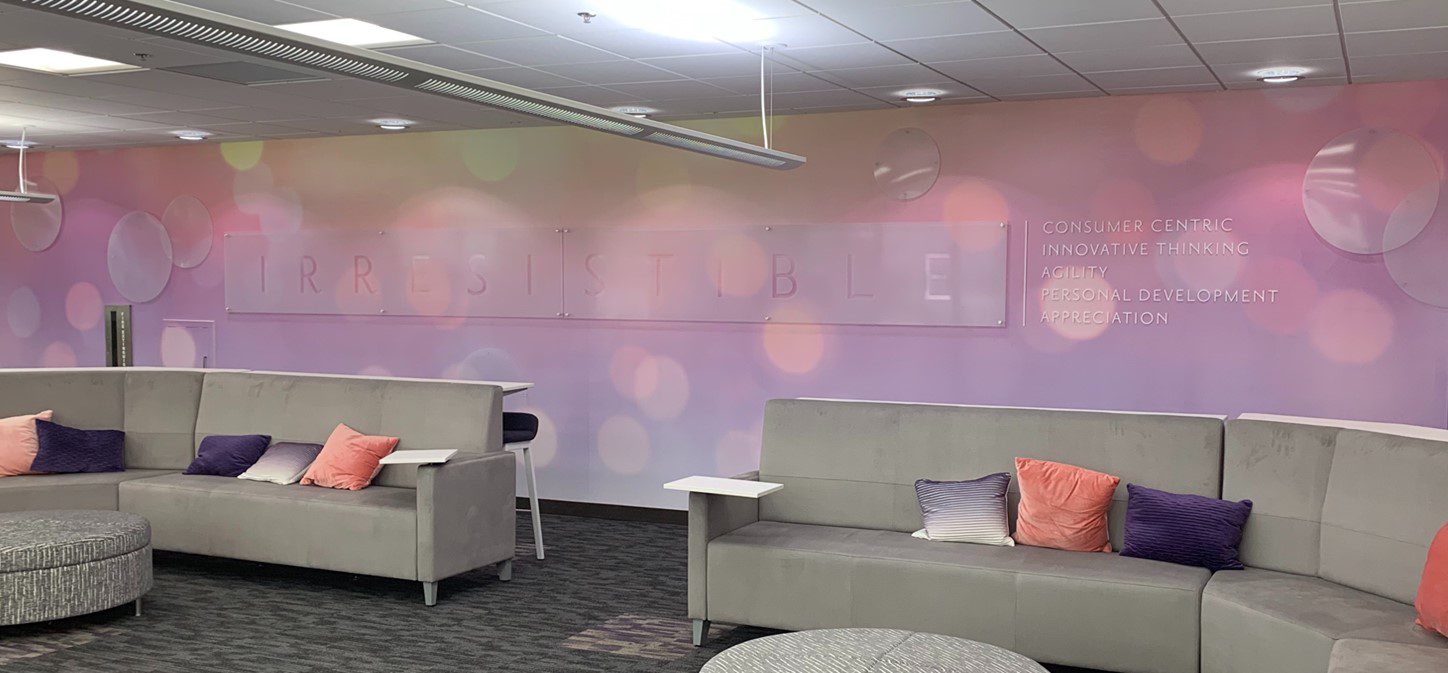
Your mural should communicate your brand story at a glance. Commercial murals should reflect your company’s values, color palette, and messaging before considering purely decorative elements.
Consider what feelings you want the mural to evoke in viewers. Inspiration, calm, energy, or nostalgia. This emotional connection drives engagement with your space.
- Brand alignment: Ensures visual consistency with your existing marketing materials
- Storytelling potential: Creates opportunities to share your mission visually
- Aesthetic harmony: Complements existing interior design elements
2. Functional Considerations
Determine if your mural needs to create separation between workspaces or provide wayfinding details. High-traffic areas demand more resilient materials than low-traffic zones. Note specific concerns like cleaning protocols or exposure to sunlight.
Choosing the Mural Surface
1. Evaluating Structural Integrity
Examine walls for cracks, moisture issues, or uneven textures that might affect adhesion. Smooth, clean surfaces yield the best results for both paint and film applications.
Different wall materials require specific preparation techniques. Document the exact surface type as you’re planning your wall mural project.
Surface types to consider:
- Drywall (most common in modern buildings)
- Concrete (often found in industrial spaces)
- Glass (ideal for decorative films)
- Wood (may require special primers)
2. Factoring In Accessibility and Visibility
Consider how far away most people will stand when viewing your mural. Larger commercial spaces often require bolder, simpler designs visible from a distance.
Note natural and artificial light sources that will illuminate your mural throughout the day. Light dramatically affects how colors appear and how visible details will be.
Developing the Design Concept
1. Gathering Inspiration and Sketches
Collect images, color swatches, and textures that capture your desired aesthetic. This visual reference helps communicate your vision to designers, artists, or installers.
Sketch your design to scale on graph paper or use digital tools to visualize how it will fit the actual wall dimensions. Proper wall mural planning prevents proportion problems later.
Check out our project gallery to spark your creativity and find inspiration for your wall mural project.
2. Balancing Creativity and Practicality
Complex designs often lose impact when scaled up. Focus on bold elements that communicate clearly from appropriate viewing distances.
Consider whether decorative wall films might offer advantages over traditional paint for your specific application. Wall mural films provide consistent color, precise detail, and often faster installation.
Design considerations:
- Viewing distance affects detail perception
- Color psychology influences emotional response
- Scale impacts overall visual impact
Organizing Materials and Tools
1. Selecting the Right Products
Premium materials may cost more initially but deliver superior longevity and visual impact. Document specific brands and product numbers as you’re planning.
Decide between traditional paint, vinyl applications, or decorative wall mural films based on your budget, timeline, and maintenance expectations.
2. Planning Equipment and Safety Measures
Note whether ladders, scaffolding, or lifts will be needed to reach your installation area. Factor these into both budget and timeline planning.
List floor coverings, ventilation needs, and personal protective equipment required for safe installation.
Mapping Out the Process
1. Drafting a Step-by-Step Timeline
Allow adequate time for surface preparation, which often takes longer than the actual installation. Include drying or curing times between steps.
Schedule work during periods of minimal disruption to business operations or family activities. Note any weather dependencies for exterior applications.
Timeline phases:
- Surface preparation (1-3 days)
- Base application (1-2 days)
- Detail work (1-5 days depending on complexity)
- Finishing and protection (1 day)
2. Creating a Budget Template
List all supplies needed with quantity estimates and price ranges. Effective wall mural planning includes accounting for primers, paints, films, adhesives, and protective coatings.
If hiring designers, artists, or installers, get detailed quotes that specify exactly what’s included and excluded from their services.
Executing the Artwork
1. Projection and Layout Methods
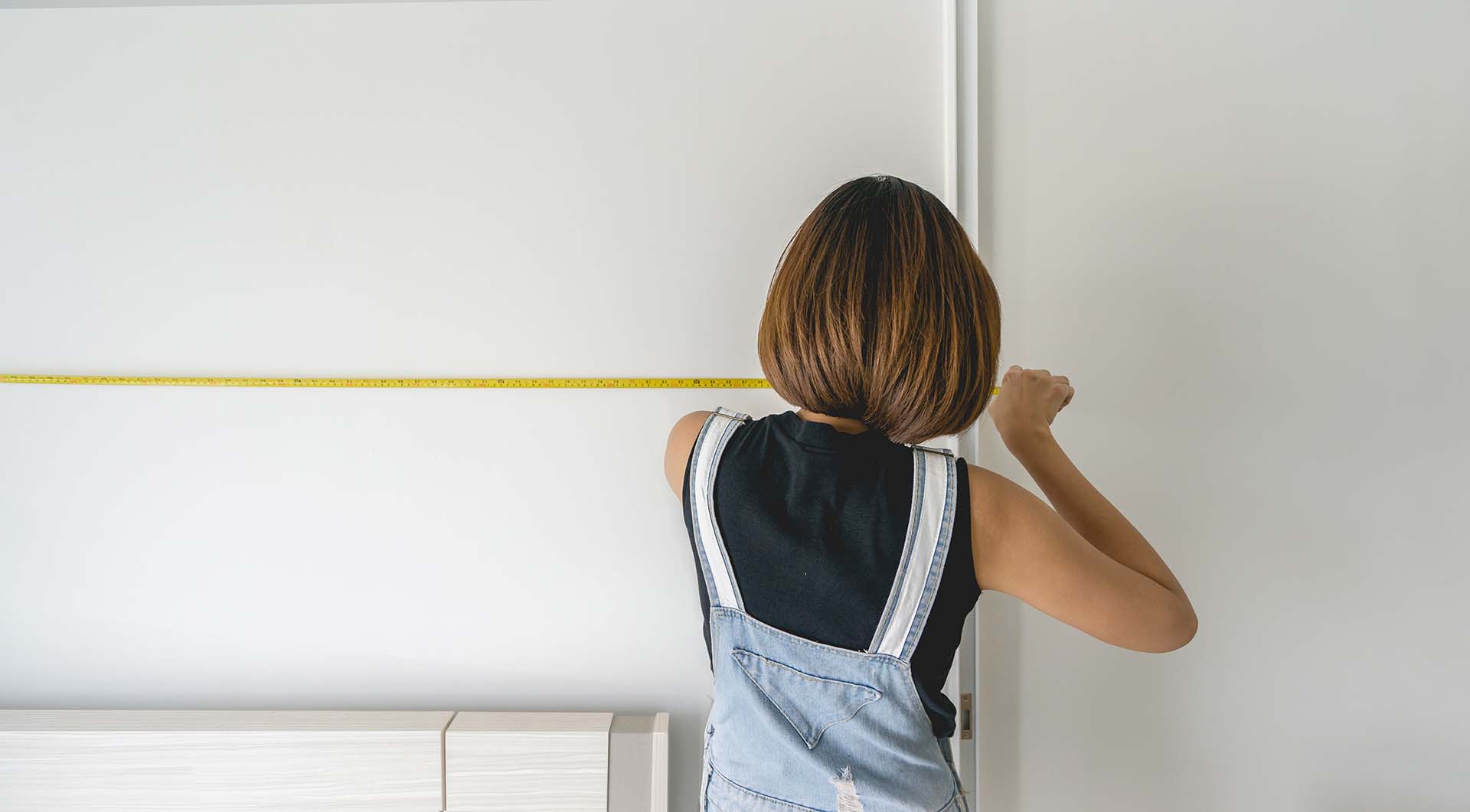
For hand-painted murals, dividing both your sketch and wall into proportional grid sections ensures accurate scaling of your design.
Consider using a projector to trace complex designs directly onto the wall, saving time and improving precision.
2. Installing or Painting in Phases
Begin with large background areas before adding detailed elements. This approach creates a foundation for more intricate work.
For large commercial projects, complete one section entirely before moving to the next to maintain consistency in technique and appearance.
Installation sequence best practices:
- Work top to bottom to avoid drips or smudges
- Apply light colors before dark ones
- Allow proper drying time between phases
Maintaining the Mural Long-Term
1. Scheduling Inspections and Cleaning
Plan quarterly inspections to catch any issues early. Document specific cleaning products that are safe for your mural type.
Create a maintenance schedule that includes cleaning and, in the case of painted murals, periodic touch-ups to keep your mural looking fresh, especially in high-traffic areas.
2. Planning for Repairs or Upgrades
Include procedures for addressing scratches, stains, or other damage quickly before they worsen. Keep extra materials on hand when possible.
Consider how your mural might evolve over time. Decorative wall films offer the advantage of easier updates when brand identities or design preferences change.
Bringing It All Together
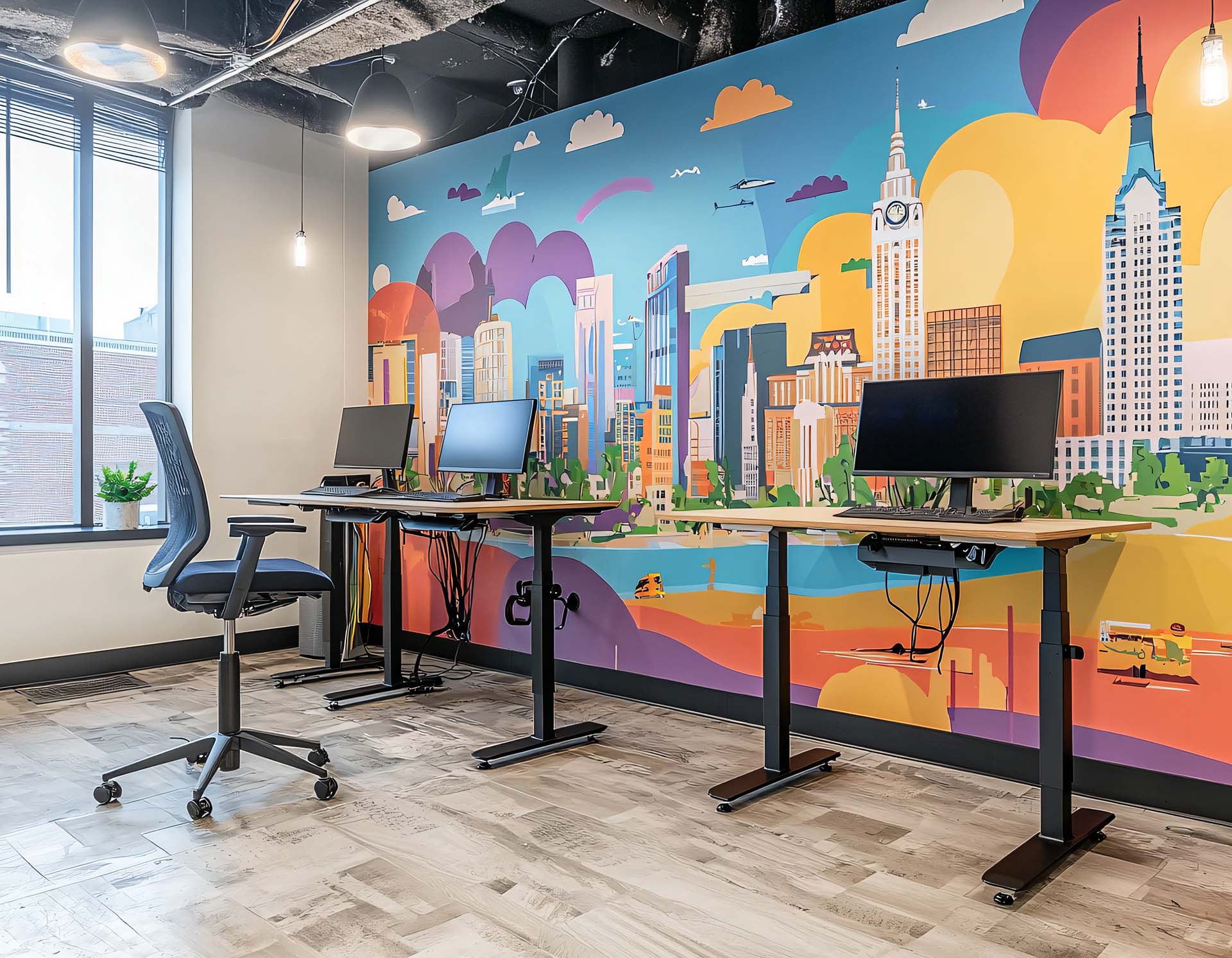
Your wall mural plan becomes the central roadmap guiding your project from concept to completion. By methodically addressing each aspect of the process, you’ll create a stunning visual statement that achieves both aesthetic and functional goals.
Our premium decorative wall mural films at Artople offer an innovative alternative to traditional painted murals, combining artistic expression with practical benefits like durability and ease of installation. And if managing the project feels overwhelming, Artople also provides full installation services so you can enjoy a flawless finished mural without having to lift a finger.
When you’re ready to transform your space with a custom or ready-made design solution, explore our collection to find the perfect visual statement for your walls.
Still working on your project plan? Learn more about our process.